
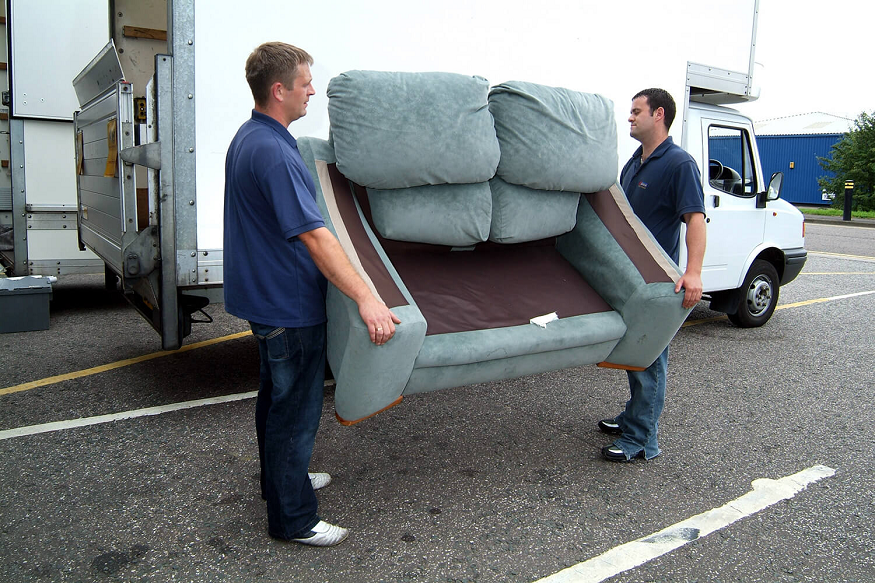
Furniture transport at long distances is not only about loading all items on the moving truck. There is extended travel time, different handling places, changes in the weather, as well as vibrations on the roads that may cause scratches, dents, staining, and damage to the construction. Using the correct techniques will be helpful in securing your items during a move.
No matter whether you are transporting just a few large items or an entire household, proper preparation is very important. These are useful tips for furniture protection while making a long-distance move.
Begin with a Furniture Inventory
Before you start packing anything, you should prepare a basic inventory of all your furniture pieces. Record the state of each big piece of furniture and take pictures from all possible sides.
Read More: Destination: Stress-Free Move! A Comprehensive Relocation Handbook
Pay special attention to the existing:
- Scratches
- Dents
- Stains
- Cracks
- Loose joints
- Chipped surfaces
This way you will have some proof of the condition of your furniture before moving. It might be useful in case if any damage occurs during the move.
If you deal with professional furniture removalists, an inventory might help to organize the loading process better.
Cleaning Furniture Prior to Wrapping
Dust, dirt, and particles are capable of causing scratches when packing furniture. Cleaning is recommended before wrapping.
The right cleaning solutions are used based on the type of furniture. Wooden pieces of furniture need dry rags while upholstered furniture needs to be cleaned following the manufacturer’s directions.
Everything needs to dry fully before wrapping.
Furniture should not be wrapped wet during transportation over long distances. Moisture may result in foul smell or even damage.
Carefully Disassemble Large Pieces of Furniture
Large pieces of furniture can sometimes be easily moved when disassembled.
Some pieces of furniture that can be disassembled include:
- Legs of tables
- Shelf pieces
- Drawers
- Frame of beds
- Handles
- Doors of cabinets
Small pieces like screws, nuts, bolts, and washers should be kept together in labeled bags and attached to the appropriate piece of furniture.
Take pictures while you disassemble the furniture if you think you might forget how the assembly of the furniture was done.
But never forcibly take apart pieces of furniture. Sometimes special care needs to be taken with some furniture pieces.
Choose Proper Protective Material
Different surface finishes require different kinds of protective materials.
Typical protective materials are as follows:
- Furniture blankets
- Bubble wrap
- Stretch film
- Corrugated cardboard
- Foam sheets
- Plastic
- Corner protection
Furniture blankets can be used to protect furniture made of wood and painted surface finishes. Bubble wrap can act as extra cushioning for sensitive spots.
Read More: Packing Precision: A Guide to Efficient and Organized Moving
Avoid putting plastic in direct contact with sensitive wooden finishes for a long period of time since depending on conditions, moisture can get trapped under it.
Fragile glass furniture requires proper cushioning and hard protection.
Protect Corners and Edges
The corners of furniture are some of the most fragile parts during relocation.
Furniture such as tables, cabinets, wardrobes, etc., can easily strike walls and other objects when transported.
Cover corners with foam or corner protectors. Additional cushioning should be used if needed.
This is especially important if furniture has to go through small doorways or stairwells before being loaded onto the moving van.
Protect Furniture With Upholstery
Furniture such as sofas, mattresses, armchairs, etc., must be protected from dust, humidity, and dirt.
It is better to use furniture covers which are breathable. Make sure the furniture is dry before covering it.
It is not recommended to drag upholstered furniture on the floor as it can harm both the upholstery and the base of the furniture.
If you need to temporarily store a sofa or a mattress while relocating, make sure that the place of storage is clean, dry, and well-ventilated.
Keep Wood Items Safe From Scratches
It is possible for wooden items to get scratched while being moved.
Remove any removable items and decorations before you wrap up the wooden surfaces. Soft blankets or padding should be used to create a protective layer.
Metallic objects and any other hard tools should not be placed against the furniture.
The heavier items in the moving vehicle should not be stacked next to wooden surfaces that are delicate.
A good padding will be helpful only if the furniture is positioned in the right way.
Take Special Care of Glass
Glass doors, tabletops, mirrors, and shelves need extra care.
Detach any glass parts that can be removed and wrap up each part separately with cushioned material and rigid material on the edges.
Do not just use one thick blanket thinking that it will keep the glass safe from getting smashed.
The glass parts should be positioned properly as well to make sure they do not move while the vehicle is moving.
Place Furniture with Care
The way furniture is arranged in a moving van will have an impact on its state when it reaches the end point.
Large and heavy furniture must usually be arranged in a way so that it doesn’t move at all during transit. Use straps wherever necessary, and make sure that the furniture does not move when sudden stops are made or the moving van makes turns.
Avoid excessive pressure from other pieces of furniture.
People often tend to make the mistake of trying to fit as much as possible into the moving van. While this is indeed a good practice, taking care of your furniture must always come first.
Furniture removal professionals usually use systematic techniques to load their cargo.
Take Precautions Against Weather
Long distance relocation often requires dealing with varying weather conditions. Rain, high or low temperatures, humidity – all of this can have an effect on your furniture.
Keep your furniture protected while loading and unloading during rainy weather. Do not leave unprotected furniture out for too long.
Temperature and humidity may affect wood, leather, fabric, finishes.
Conclusion
Moving furniture over a long distance involves many preparations and considerations at all stages of the process. Preparing items for the move by cleaning them, disassembling them carefully, covering them with appropriate materials, protecting sensitive surfaces and packing them strategically will help to minimize any potential damage.
The aim is not to transport furniture from point A to point B. The aim is to deliver each item in its exact condition to its destination.
It does not matter whether you are moving the items yourself or you have professional furniture removalists assisting you, the time spent on planning the procedure will be worth it.