
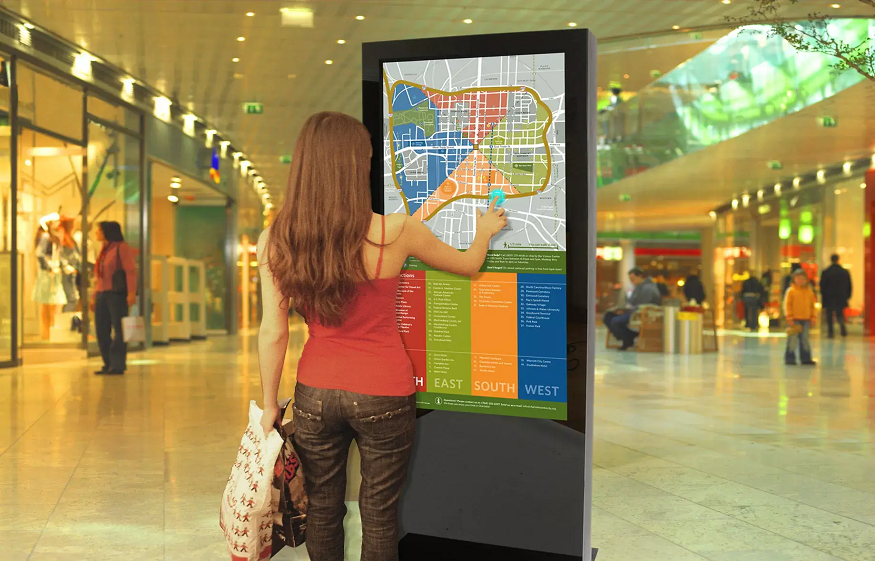
In today’s fast-paced business world, companies are constantly looking for ways to stand out and leave a lasting impression on their customers. While product quality and marketing strategies are important, one often overlooked aspect of a brand’s identity is its visual communication. These elements, from the company’s logo to the design of its products, convey more than just basic information. They speak volumes about the company’s values, culture, and approach to business. Effective visual communication plays a crucial role in building a strong identity and creating a memorable brand experience.
The Role of First Impressions
First impressions are critical in the customer journey. When customers enter a physical space or visit a website, the first thing they encounter is often a visual element. Whether it’s the company’s logo, store layout, or wayfinding elements, these visual cues provide an immediate introduction to the brand. Consistency across different touchpoints ensures that customers feel familiar with the company’s image and values.
In both online and offline environments, clear visual elements help establish a welcoming atmosphere. Thoughtfully designed displays in physical stores, for instance, can encourage customers to explore, making them feel more at ease. Similarly, a simple, clear design on a website can help guide visitors easily to the content or products they need. This initial encounter sets the tone for the rest of the customer’s experience, whether it’s in a store or on a digital platform.
Building a Strong Brand Identity
Visual communication is one of the most direct ways a company communicates its brand identity to customers. Every design choice, from the colours and fonts to the materials used, conveys a message about what the company stands for. Consistency in these design elements across all customer touchpoints, whether digital, in-store, or in advertising, reinforces the brand’s message and helps establish a strong, unified identity.
For example, a business committed to sustainability might use eco-friendly materials and natural tones in its design, subtly communicating its environmental values to customers. A technology-focused company may opt for sleek, modern designs to reflect its innovative approach. Consistency in these visual elements helps customers connect with the company’s mission and values, strengthening their relationship with the brand.
Enhancing the Customer Journey
Good design is about more than just aesthetics; it’s about creating a seamless and enjoyable experience for the customer. Well-designed visual elements are key to this process, ensuring customers can easily navigate their surroundings or a website. They reduce confusion, guide customers to the right products or services, and make their overall journey more enjoyable.
In physical spaces, clear visual cues can direct customers to key areas, making it easy to find what they need. This eliminates frustration and helps create a smoother experience. On digital platforms, navigation menus, product labels, and call-to-action buttons perform a similar function, ensuring that customers can quickly find what they’re looking for. A seamless customer journey, supported by thoughtful design, increases satisfaction and encourages repeat visits.
Read More: What First-Time Renters in Bedford Should Know Before Approaching a Letting Agent
Creating Emotional Connections
Design has the power to evoke emotions and influence how customers feel about a business. Whether it’s excitement, calm, or trust, visual communication helps create an emotional bond between the customer and the brand. By choosing the right visual elements, such as signage, businesses can foster an emotional response that goes beyond the transaction itself.
For example, a business that uses vibrant colours and dynamic design can make customers feel energised and excited about its products. In contrast, a calming and minimalist design might make customers feel relaxed and at ease. These emotional cues, delivered through design, can set the tone for a positive customer experience. Emotional connections play a significant role in creating a memorable customer experience, often encouraging customers to return time and time again.
Consistency Across Touchpoints
One of the most important aspects of visual communication is consistency. When visual elements are consistent across all platforms, it strengthens the customer’s perception of the brand. Consistency fosters trust, as customers can rely on the fact that they will encounter the same high level of quality and service, no matter how or where they interact with the business.
Inconsistent visual elements can have the opposite effect, causing confusion and frustration. If the tone, style, or messaging of a company’s visual communication changes frequently, customers may feel disconnected from the brand. A uniform, well-thought-out approach to design helps reinforce the brand’s image and ensures that customers feel confident in their choice of business.
The Power of Physical and Digital Design Integration
While visual communication is often associated with physical spaces, digital design is becoming an increasingly important element of the customer experience. Both physical and digital design elements work together to create a cohesive and seamless customer experience. Digital design is particularly effective for engaging customers, providing real-time information, and guiding them through complex environments, such as websites or large retail spaces.
For businesses seeking to enhance their customer experience, integrating both physical and digital visual elements is crucial. This combined approach ensures that the brand message is consistent and accessible, no matter where the customer interacts with the business. Digital design, for example, can also provide flexibility, offering personalised content, promotions, or updates, which makes it a dynamic tool for customer engagement.
Read More: How to Turn Open Space Into Everyday Luxury
Visual Communication as a Tool for Engagement
Beyond its role in guiding customers, visual communication serves as a tool for engagement. It can convey key messages about a company’s products, services, and values. Well-placed design elements in stores or on websites can educate customers about promotions, new products, or company initiatives. It’s an opportunity for businesses to communicate directly with their customers, highlighting what matters most.
For example, design that communicates a company’s commitment to quality or sustainability can help build trust with customers and reinforce the brand’s image. Similarly, well-designed online content can direct customers to special offers, new arrivals, or important updates, improving the overall customer experience. By integrating visual design into the customer journey, businesses can create a more engaging, memorable experience for their audience.
For wider commercial, hospitality, or public-facing projects, small supporting details can make the finished space feel more complete. Composite decking can provide a durable, low-maintenance surface for terraces, entrances, outdoor seating areas, and customer-facing spaces; while hand dryers can support cleaner, more efficient washroom facilities; while traditional signage can add character, direction, and brand presence; while digital signage can share changing information, promotions, menus, or wayfinding updates clearly.
Conclusion
Visual communication is a vital aspect of the overall brand experience, helping businesses communicate their identity, build trust, and enhance the customer journey. It goes beyond simply guiding customers; it serves as a tool for emotional connection, brand recognition, and effective communication. Whether through physical or digital elements, visual design plays a key role in shaping the customer experience and influencing customer perception. Thoughtful and consistent visual communication plays an essential role in building lasting customer relationships and ensuring long-term business success.
One thought on “Rethinking Visual Communication as a Key Part of the Brand Experience”